
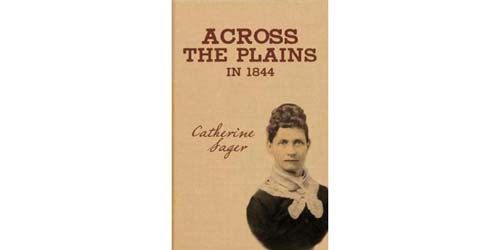
Written in 1860 by an orphan that had been taken in, she shared memories of Sabbath days when she was 12 years old in 1844, living at the Protestant mission in Oregon that was the scene of an Indian massacre.
We were in the schoolroom from Monday morning until Saturday noon. The afternoon was a holiday. If the weather was pleasant, the preparations for the Sabbath being completed, Mrs. Whitman took us out for a ramble over the hills. In inclement weather we were provided amusement in the house; the doctor believed in young folks having plenty of exercise. The Sabbath was always strictly observed, yet made so pleasant that we hailed its dawn with delight. Every preparation was made the day before, and perfect stillness pervaded the house Sabbath morning. In the winter season a Bible class met on Saturday night. All the family attended, and no effort was spared to make it interesting. A subject was given us to prove from the Bible, and Mrs. Whitman saw that each child had a proof to bring in. They were commented on, a chapter was read, each one reading a verse and giving their thoughts on it. These exercises closed by singing some Bible hymn. Sabbath morning we were reminded of the day and all kept still. Each sat with a book, and those too small to read were handed pictures. After breakfast we prepared for Sunday school, that met at 11 o’clock, while the doctor held his service with the natives. Each got seven verses, one being learned every morning during the week. This was an interesting hour spent together, especially when the doctor could spend some moments with us. At 3 P.M. we met for the regular afternoon service, when Dr. Whitman read a sermon. He was not a preacher, but a physician. We had to find the text after the service was over and repeat it to him. The evening was spent in reading, reciting the commandments, etc.Across the Plains in 1844
by Catherine Sager Pringle (c. 1860)
Later, after the massacre the females were kept captive by the Cayuse, Catherine who was 12 years old at the time remembered –
Our captors kept us busy making them shirts out of the goods taken at the station; we knew that the Indians were
planning an expedition to The Dalles. It was no unusual thing for one to come and demand a shirt made against a set time, as he was going to The Dalles. We would make the shirt, he would come and get it, bid us good-bye, and leave, but in a day or so be back with another shirt to make. We learned that this was a ruse adopted to have their sewing done first. Sometimes it was done to see if we would sew upon the Sabbath. One Sabbath evening a fellow came and wanted us to make him a shirt that evening. We refused, telling him it was the Sabbath. He became very abusive, so we commenced the shirt, and seeing this he left. We then laid it aside, and next day complained to the chief, and he forbid them bringing us work to do upon the Sabbath.




Comments